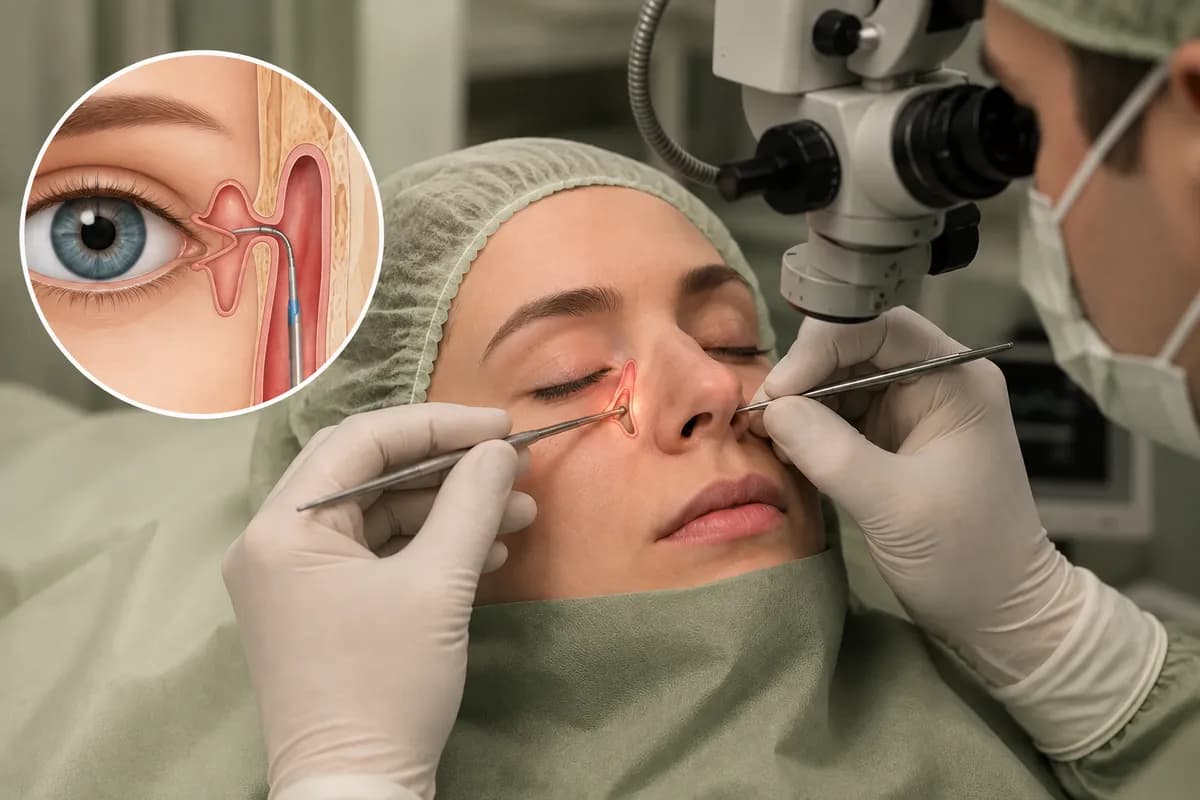
Lacrimal Duct Surgery: Treating Tear Drainage Obstruction and Restoring Natural Eye Function
Lacrimal Duct Surgery; Treatment of Tear Duct Obstruction and Restoration of Natural Eye Function
Tear duct obstruction is one of the common eye problems that can cause excessive tearing, persistent eye wetness, inflammation, and recurrent infections. This condition occurs when the natural pathway that drains tears from the eye to the nose becomes narrowed or blocked. When medications or non-surgical treatments are not effective, lacrimal duct surgery is performed as a specialized treatment to open the tear pathway and improve symptoms.
How Do Tear Ducts Work?
After tears are produced by the lacrimal glands and moisturize the surface of the eye, they pass through tiny ducts located at the inner corner of the eyelids into the lacrimal sac and then drain into the nose through the tear duct. Any disruption in this pathway can lead to tear accumulation on the eye and cause uncomfortable symptoms.
Symptoms of Tear Duct Obstruction
The most common signs of tear duct blockage include:
Persistent and excessive tearing
Feeling of tear accumulation in the eye
Eye discharge and sticky eyelids
Redness and inflammation around the eye
Recurrent infections of the lacrimal sac
Discomfort at the inner corner of the eye
When Is Lacrimal Duct Surgery Performed?
If tear duct obstruction does not improve with simple treatments such as medication, tear duct irrigation, or minimally invasive procedures, the doctor may recommend surgery. This procedure is particularly effective for adults with complete tear duct blockage and is considered one of the most successful methods for resolving the problem.
Methods of Lacrimal Duct Surgery
The treatment method depends on the location and severity of the blockage. One of the most common procedures is:
Dacryocystorhinostomy (DCR)
In this procedure, a new pathway is created between the lacrimal sac and the nasal cavity to allow tears to drain properly. This surgery can be performed externally through a small skin incision or endoscopically through the nose.
Benefits of Lacrimal Duct Surgery
Reduction or elimination of chronic tearing
Prevention of recurrent eye infections
Improvement of patient comfort and quality of life
Restoration of the natural tear drainage pathway
Long-lasting results in many patients
Postoperative Care After Lacrimal Duct Surgery
After surgery, following the doctor's recommendations plays an important role in treatment success. Using prescribed eye drops, avoiding pressure on the eye area, and attending regular follow-up visits to monitor recovery are essential.
Choosing the Right Surgeon for Lacrimal Duct Surgery
Due to the delicate relationship between the tear ducts and the structures of the eye and nose, lacrimal duct surgery requires specialized skill and experience. Choosing an ophthalmologist with expertise in eyelid and lacrimal system surgery can help achieve better results and reduce potential complications.
Lacrimal duct surgery is performed to relieve obstruction, reduce excessive tearing, and restore the natural function of the tear drainage system. By accurately diagnosing the cause of the problem, the most appropriate treatment method can be selected for each patient.
please Login to leave a comment
Add Your Comment
Reviews