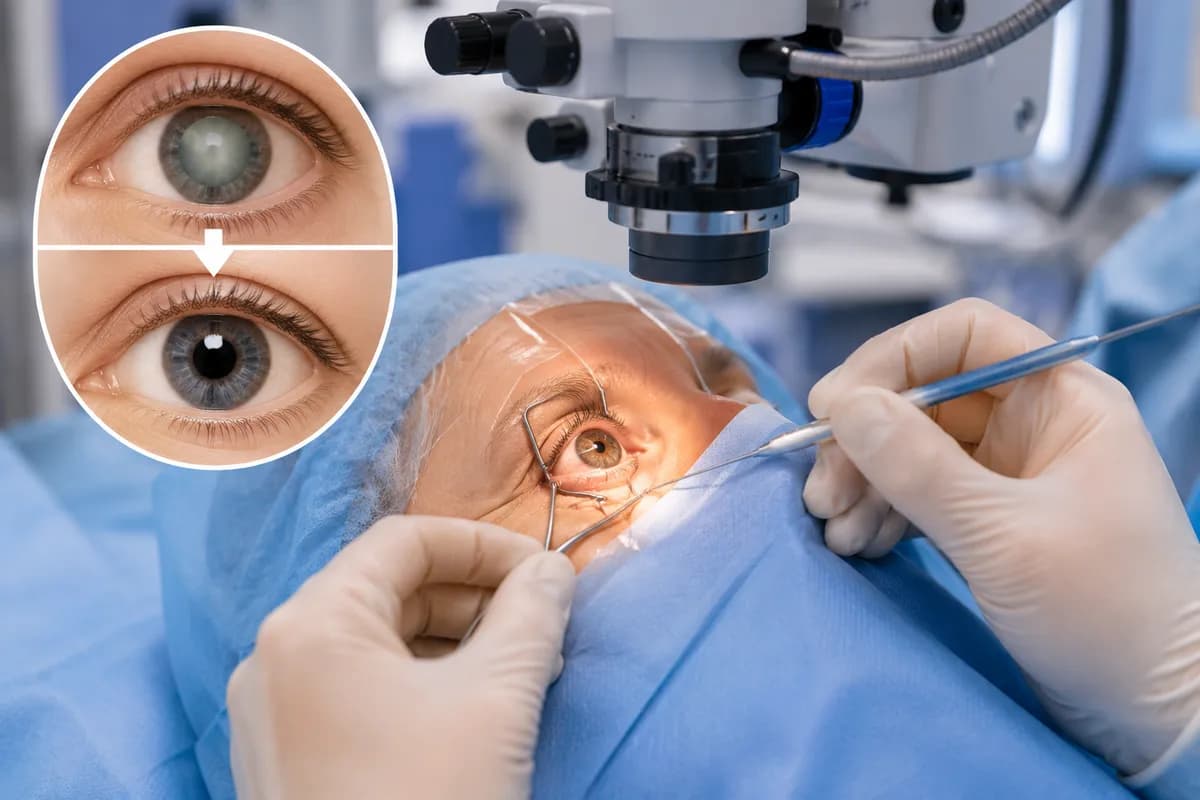
Cataract Surgery; Restoring Vision Clarity and Quality
Cataract Surgery; Restoring Vision Clarity and Quality
Cataract is one of the most common eye diseases, especially among older adults, which occurs due to the gradual clouding of the natural lens of the eye. This change leads to reduced visual clarity, blurred images, and difficulty performing daily activities such as reading, driving, and recognizing details.
When cataracts significantly affect vision, cataract surgery is considered the most effective treatment method for restoring clear vision.
What Is a Cataract?
The eye lens is a transparent structure inside the eye that focuses light onto the retina. With aging or due to various factors, this lens may lose its transparency and become cloudy. As a result, light cannot properly enter the eye, causing blurred vision.
Symptoms of Cataracts
The most common signs of cataracts include:
Blurred vision or gradual vision loss
Increased sensitivity to light and glare
Reduced night vision
Frequent changes in eyeglass prescription
Faded or cloudy appearance of images
Double vision in one eye
Difficulty reading or performing detailed tasks
When Is Cataract Surgery Needed?
In the early stages, changing eyeglass prescription or improving lighting conditions may help improve vision. However, when lens clouding interferes with daily activities, surgery is recommended.
The decision to perform surgery is made after a comprehensive eye examination and evaluation of the degree of vision impairment by an ophthalmologist.
How Is Cataract Surgery Performed?
Today, cataract surgery is usually performed using the phacoemulsification technique. In this procedure:
A very small incision is made on the surface of the eye.
The cloudy lens is broken up and removed using ultrasound waves.
A clear artificial lens (intraocular lens) is implanted to replace the natural lens.
This method usually does not require large stitches, and patients can return to their normal activities within a short period after surgery.
Types of Intraocular Lenses
Depending on the patient's eye condition and visual needs, different types of lenses may be used, including:
Monofocal lenses for correcting vision at a specific distance
Multifocal lenses to reduce dependence on glasses
Toric lenses for correcting astigmatism
The appropriate lens type is selected after a detailed evaluation of the patient's eye condition and lifestyle.
Benefits of Cataract Surgery
Significant improvement in vision clarity
Enhanced quality of life
Reduced dependence on glasses in some patients
Improved night vision and better detail recognition
Minimally invasive procedure
Postoperative Care After Cataract Surgery
Following postoperative instructions is essential for achieving the best results. These care measures include:
Using prescribed eye drops regularly
Avoiding rubbing the eye
Protecting the eye from injury and contamination
Attending scheduled follow-up visits
Following activity restrictions during the first days after surgery
Choosing a Specialist Surgeon for Cataract Surgery
Cataract surgery is one of the most common and successful eye surgeries. However, choosing an experienced surgeon and completing proper preoperative evaluations play an important role in achieving the final outcome. The surgeon’s experience, the equipment used, and the appropriate selection of an intraocular lens are important factors in achieving optimal vision after surgery.
Cataract surgery, by removing the cloudy lens and replacing it with an artificial lens, provides many patients with the opportunity to regain clear vision and improve their quality of life.
please Login to leave a comment
Add Your Comment
Reviews