Eyelid Cosmetic Surgery (Blepharoplasty)
Eyelid Cosmetic Surgery (Blepharoplasty)
The eyelid is an important organ responsible for protecting the eyeball and also plays a significant role in facial appearance. Over time, eyelids may undergo changes such as wrinkles, excess skin, looseness, drooping, swelling, and puffiness.
Excessive drooping of the eyelid skin may sometimes become severe enough to cause changes in the upper visual field.
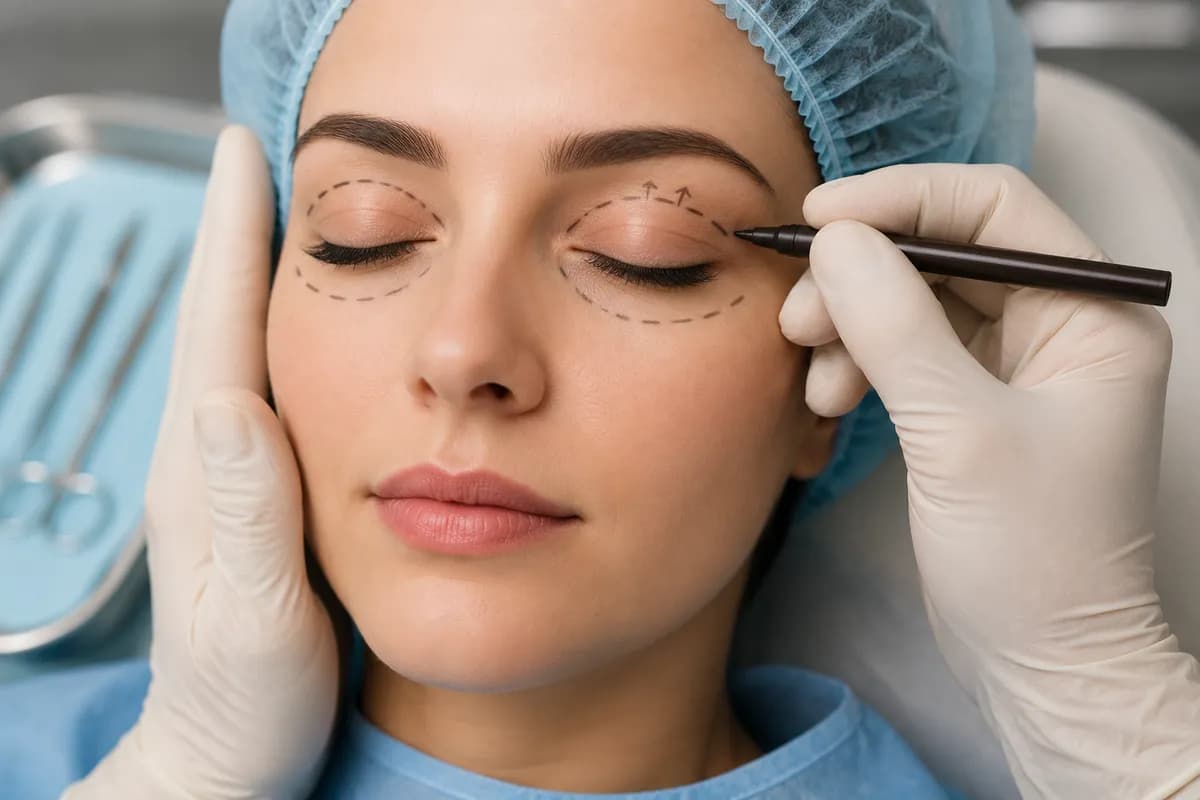
Droopy eyelids are one of the main reasons for performing eyelid surgery (blepharoplasty), which aims to remove and tighten excess eyelid skin and create a fresher and younger appearance.
In some cases, upper eyelid blepharoplasty can improve drooping eyelids, provide a wider visual field, and improve vision.
Preoperative Eye Examination
Before eyelid surgery, a detailed eye examination is essential.
The required evaluations include:
Measurement of visual acuity
Assessment of tear film condition
Examination of eye movements and sensory and motor nerves of the eye and face
Evaluation of eyebrow position and symmetry
Specialized eyelid examinations
Eyelid photography
If the patient has any medical conditions, drug allergies, or is taking specific medications, this information should be reported to the treating physician.
Except for blood-thinning medications (such as aspirin), other medications (such as blood pressure medications) should generally be taken as usual on the morning of surgery.
Since the procedure is performed as an outpatient surgery under local anesthesia with intravenous sedation, fasting is not required. A light meal may be eaten at noon on the day of surgery.
A good night’s sleep before surgery is recommended.
Before arriving at the hospital, the face should be washed completely, and no makeup should be applied to the eyelids or face.
Blepharoplasty Procedure
Blepharoplasty is performed under local anesthesia. The eyelids are numbed through local injections.
In addition, intravenous sedative medications are used to maintain patient comfort, relaxation, and pain control during the procedure.
The surgery usually takes approximately 45 minutes.
The stitches are removed by the surgeon about 7–10 days after surgery. Afterwards, a healing ointment may be used to reduce the appearance of postoperative scars.
Details and Importance of Blepharoplasty
Blepharoplasty involves:
Removal of excess skin
Removal of excess fat
Removal of loose eyelid tissues
Proper reconstruction and reshaping of the eyelids
Because the eyelid area contains seven very delicate anatomical layers, maintaining proper surgical technique and protecting the delicate tissues—especially the fibers of the upper eyelid levator muscle and the fine subcutaneous fibers of the lower eyelid—is extremely important for the final eyelid function and eye health.
Additional Procedures Combined with Blepharoplasty
In cases of eyebrow drooping associated with eyelid ptosis (more common in men), blepharoplasty can be performed together with eyebrow repair or lifting through the eyelid incision pathway.
In cases where an inner eyelid skin fold (epicanthal fold) is present, correction of this area can also be performed at the same time as blepharoplasty.
please Login to leave a comment
Add Your Comment
Reviews